Flooding can strike with little warning, leaving devastation in its wake. For residents of Mesa, Arizona, the aftermath of a flood can feel overwhelming. The loss of possessions and the damage to homes require immediate attention. Understanding the restoration process is crucial for reclaiming your space and peace of mind. Whether you’re dealing with minor leaks or significant flooding, knowing how to navigate this challenge can make a world of difference.
Understanding Water Damage
Water damage isn't just about wet carpets and ruined furniture; it encompasses a range of issues that can arise from excess moisture. The impact varies based on factors such as the duration of exposure, the type of water involved—clean water, greywater, or black water—and the materials affected.
Clean water typically comes from sources like broken pipes or rain. Greywater involves some contamination but is not hazardous, often originating from sinks or washing machines. Black water contains harmful pathogens and comes from sources like sewage backups or floodwaters. Each category requires different handling procedures and safety considerations.
The Importance of Swift Action
When faced with water damage, time is critical. Mold can begin to develop within 24 to 48 hours after exposure. This makes prompt action essential not only for preserving your belongings but also for safeguarding your health and that of your family. Delays can lead to more extensive damage and higher restoration costs.
Assessing the Damage
Once you have dealt with immediate safety concerns, it's important to assess the extent of the damage carefully. Start by documenting everything through photographs or videos before beginning any cleanup efforts. This documentation will be valuable when filing insurance claims or seeking assistance from restoration professionals.
What to Look For
Take note of:
- Visible signs of moisture on walls, floors, and ceilings. Discoloration or bubbling paint. Musty odors indicating mold growth. Damage to electrical systems and appliances.
After assessing visible damage, check hidden areas where moisture might accumulate—behind appliances, under sinks, and inside cabinets.
Prioritize Safety
Before beginning any cleanup efforts, prioritize safety:
Turn off electricity in affected areas to prevent electrical hazards. Avoid contact with contaminated water if flooding was caused by sewage backup or other hazardous sources. Wear protective gear, including gloves and masks, especially when handling materials that may harbor mold or bacteria.DIY vs Professional Help
You may wonder whether tackling restoration yourself is feasible or if you should call in professionals like Bloque Restoration in Mesa. While minor incidents might allow for DIY efforts—such as drying out small areas using fans—most situations benefit significantly from professional intervention.
When to Call Professionals
Consider hiring experts when:

- The scale of damage exceeds what you feel comfortable handling. There is potential for structural damage. You suspect mold growth beyond surface levels. Significant amounts of contaminated water are involved.
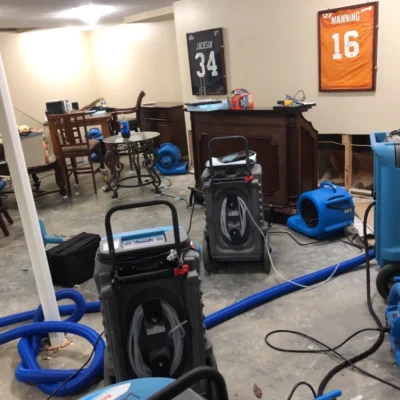
Professional restorers https://www.google.com/search?kgmid=/g/11ppsmqx4_ possess specialized equipment such as industrial dehumidifiers and infrared cameras that help locate hidden moisture effectively.
The Restoration Process
Restoration typically follows several key steps aimed at returning your home to its pre-flood condition.
Step 1: Water Extraction
Removing standing water should be the first priority once it’s safe to do so. Professionals use powerful pumps and vacuums designed specifically for this purpose, ensuring that all excess moisture is eliminated quickly.
Step 2: Drying Out Your Home
After extraction, thorough drying is essential to prevent mold growth. Industrial fans and dehumidifiers work together to dry out surfaces quickly and efficiently. This step may take several days depending on the extent of the flooding.
Step 3: Cleaning and Sanitizing
Cleaning involves removing debris and sanitizing affected areas to eliminate contaminants that may pose health risks later on. Professionals often use specialized cleaning agents that are effective against various pathogens while being safe for your home environment.
Step 4: Repairs and Reconstruction
This phase addresses visible damage such as replacing drywall, flooring, cabinetry, and other structural components affected by water exposure. Depending on the severity of the situation, this could range from simple repairs to major renovations requiring permits.
Step 5: Prevention Measures
Once repairs are complete, consider implementing measures designed to prevent future flooding issues in your home:
- Inspect gutters regularly. Ensure downspouts direct water away from foundations. Seal cracks in walls or foundations where water might enter.
Proactive steps can save you considerable headache down the line.
Navigating Insurance Claims
If you have homeowner's insurance coverage that includes flood damage (not all policies do), understanding how to file a claim efficiently can alleviate some stress during recovery.
Contact Your Insurance Provider: Notify them promptly about the incident so they can guide you through their claims process.
Provide Documentation: Submit all collected evidence concerning damages alongside estimates from restoration professionals if applicable.
Follow Up Regularly: Maintain communication with your insurer throughout the process to ensure timely responses regarding your claim status.
Being well-prepared enhances your chances of receiving fair compensation for losses incurred due to flooding events.
Local Resources in Mesa
Several local resources can assist residents facing flooding challenges:
Mesa City Services: Contact local government services regarding emergency assistance programs available for flood victims.
Community Support Organizations: Nonprofits often provide aid ranging from food supply distribution to financial assistance for temporary housing needs during restoration periods.
Local Contractors: Seek out reputable contractors specializing in water damage restoration near you who understand regional building codes relevant in Mesa.
Connecting with these resources early on helps streamline recovery processes while offering necessary support during a challenging time.
Final Thoughts on Flood Recovery
Flood recovery involves both practical steps towards restoration as well as emotional resilience as homeowners navigate loss and disruption in their lives post-event. By understanding how best to approach each phase—from initial assessment through repairs—you empower yourself when faced with adversity brought about by natural disasters like flooding.
While challenges abound following such incidents—whether it be physical labor required during clean-up efforts or dealing with complex insurance claims—knowledge gained through experience equips homeowners better than merely hoping for favorable outcomes alone after tragedy strikes their doorsteps unexpectedly.
For residents in Mesa looking for reliable guidance throughout their recovery journey after experiencing significant water damage restoration needs nearby - Bloque Restoration stands ready as an invaluable partner helping restore homes back into comfortable sanctuaries once again amidst life’s unpredictable storms!
Bloque Restoration
1455 E University Dr, Mesa, AZ 85203, United States
+1 480-242-8084
[email protected]
Website: https://bloquerestoration.com